Losing is hard when you’re small, and plenty of grown-ups still remember the feeling. Tears after a lost game are normal. Being a good sport is a skill, and it grows the way other skills do: with a good example, a lot of practice and a few kind words at the right moment. Games at home are a good place to practice, because little is at stake and the next game is a minute away. This guide has practical ideas for winning and losing kindly, and games to try them with.
What a good sport looks like
Keep the goal small and concrete. For a younger child, being a good sport might mean:
- waiting for their turn, most of the time,
- playing to the end of a game they’re losing,
- saying “good game” with a little help.
As children grow, add a bit more: winning without teasing, losing without blaming, and offering a rematch. Nobody manages all of it every time, grown-ups included.
Show it first
Children watch how the grown-ups around them win and lose. KidsHealth’s advice on being a good sport is written for sports, but it works just as well at the kitchen table: be a positive role model, and congratulate the winner, even when it isn’t you.
- Lose out loud, kindly. “Oh, I really wanted that one. Good game! Rematch?”
- Win quietly. “That was close. You nearly blocked me.”
- Let them hear you cope. Triple P suggests saying out loud how you handle your own frustration: “I’m cross I lost. I’m taking a big breath.”
Name the feeling, then hold the line
The same Triple P article makes a useful split: accept the big feeling, but set limits on what a child does with it. Being sad, cross or teary is fine. Name-calling, storming off or throwing the pieces is not.
- Name it simply. “You’re cross that Doodle won. That’s a hard feeling.”
- Say the limit once. “It’s OK to be upset. We don’t throw the pieces.”
- Calm comes first. A drink of water, a hug or a few slow breaths, before any talking.
- Talk about it later. Once everyone is calm, ask what might help next time.
Keep games short and rematches quick
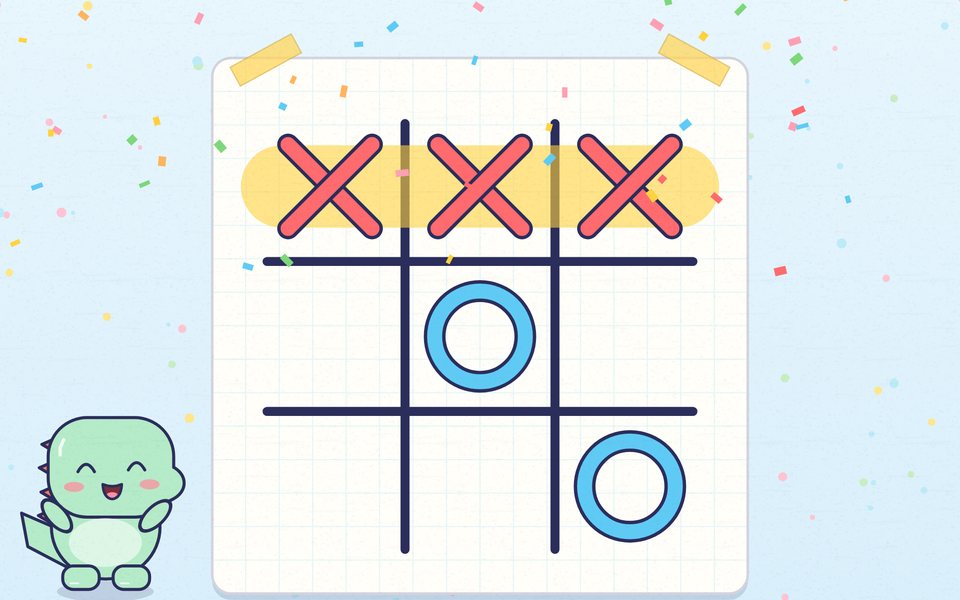
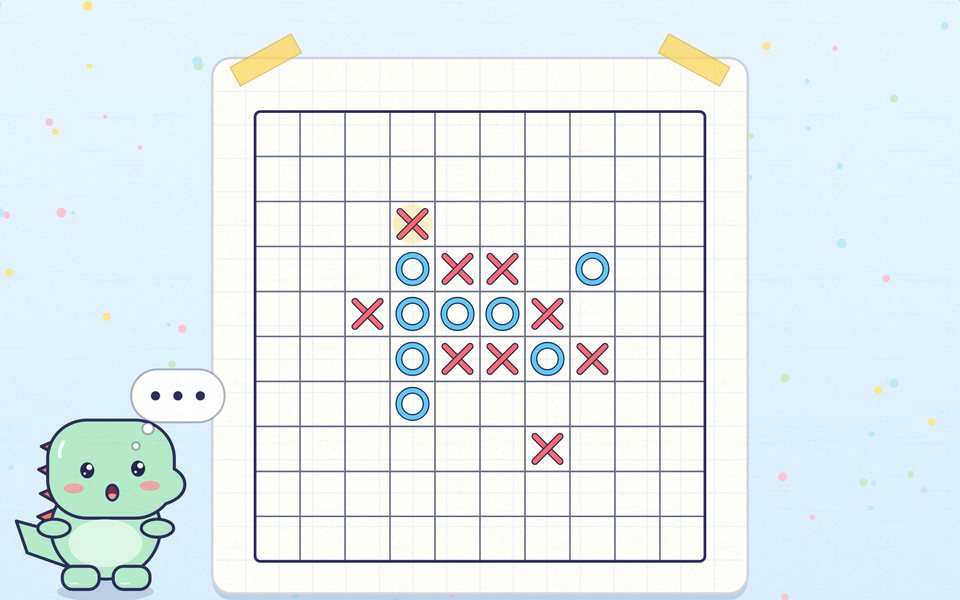
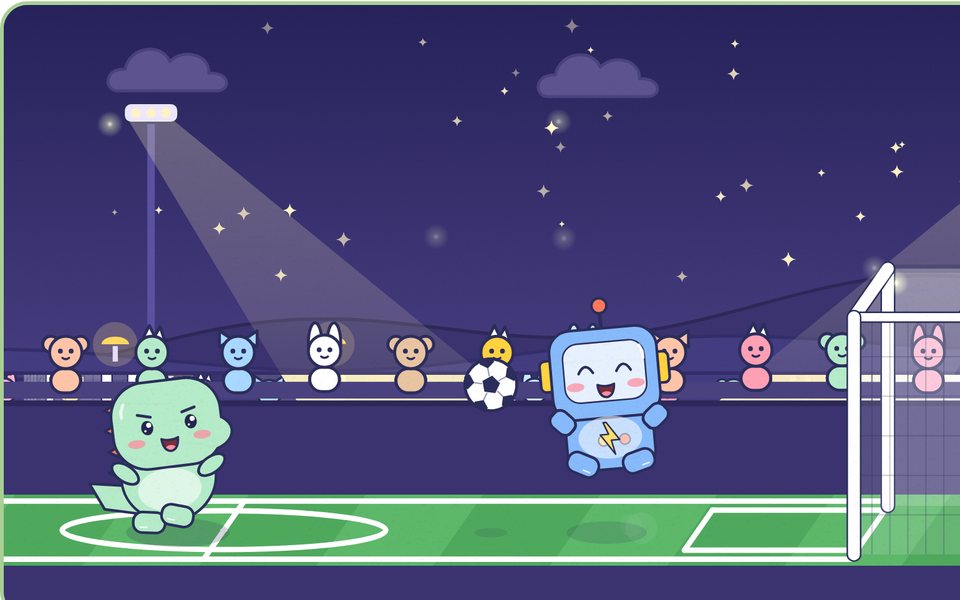
Short games give lots of chances to win and lose, and a loss is soon over. A game of tic-tac-toe takes about a minute. Against Bun, the friendliest rival in Doodle football, a match has one minute on the clock, and the first to five goals wins at once.
- Agree on the number before you start. “Best of three, then bath time.”
- Offer the rematch yourself. “Again?” makes a loss the start of the next try.
- End on a kind word. A high five or a “good game”, whoever won.
If the hard part is stopping a game on screen at all, our screen time plan has ideas for that.
Praise effort and kind words
Notice what your child did, not only the score. Specific praise says what to do again:
- “You blocked my three in a row. Great spotting!”
- “You kept trying after that goal went in.”
- “You said ‘good game’ when you were sad. That was kind.”
KidsHealth also suggests asking about the game rather than who won: “What did you do well during the game?” and “Was there something you wish you could have done better?” Those questions work after a board game or a match on screen too.
Take turns, and share the choices
Taking turns starts before the game does.
- Take turns choosing the game. Today it’s yours, tomorrow it’s theirs.
- Take turns going first. In our tic-tac-toe and caro games, X starts the first game and O starts the next.
- Take turns explaining the rules, to a younger brother or sister or to a grown-up who “forgot”.
Should you let them win?
There’s no single right answer, and many families mix it up. One idea that helps is to match the challenge rather than lose on purpose. A grown-up can play with their other hand, or give a head start, and say so out loud: “I’ll play with my other hand this time.” The game stays close, and nobody has to pretend.
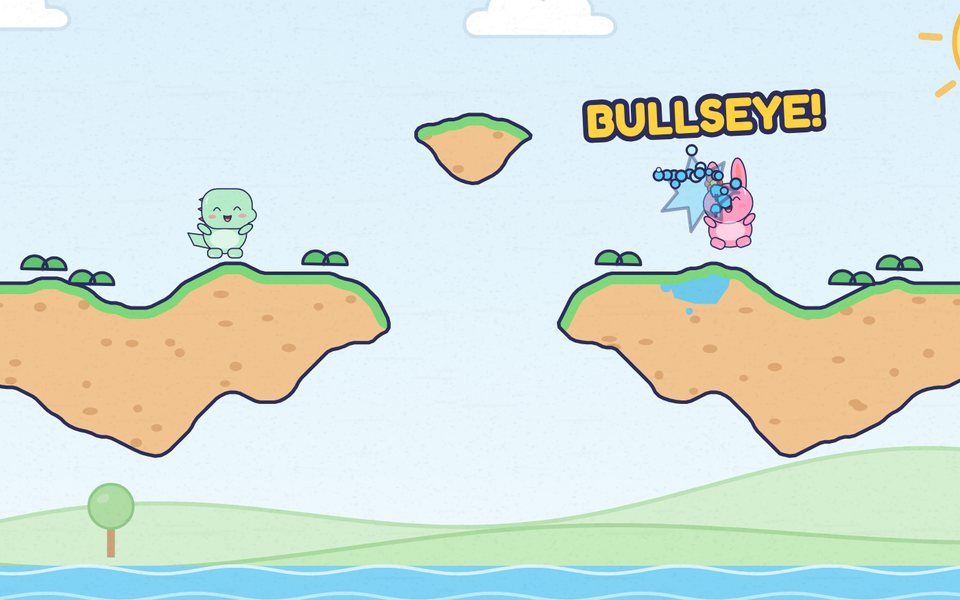
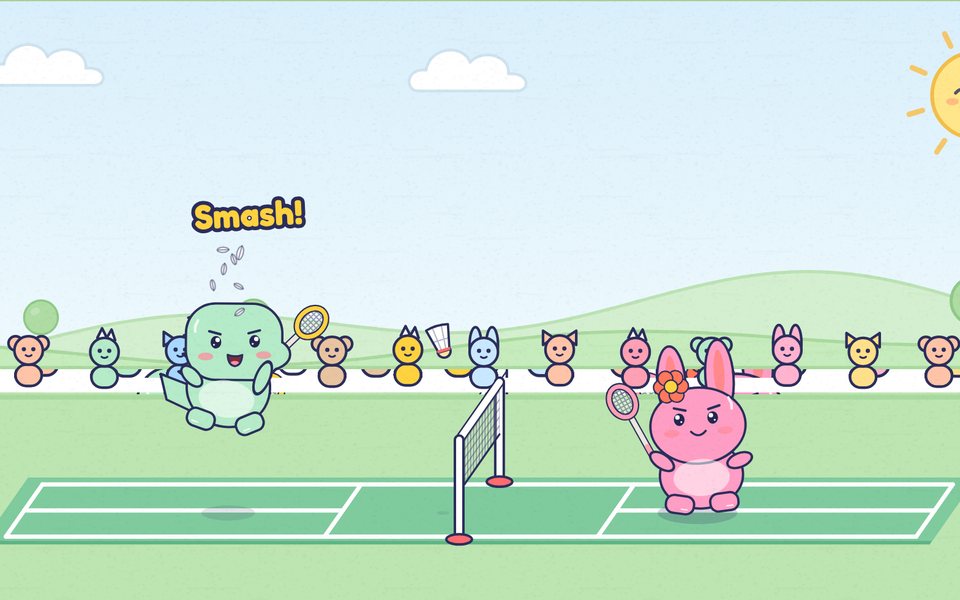
Our games build this in with levels. In tic-tac-toe, Doodle’s Easy level often misses a win or forgets to block. In Doodle badminton, Bun keeps the rally going with friendly shots to the middle and never smashes, and against her, Doodle runs to the shuttle by himself. When a rival wins, the words stay kind: “Doodle wins this time!” or “Bun wins this one!” A tie in tic-tac-toe gets “A tie! High five!”
Play together on one screen
Playing side by side is where good-sport words get the most use. These games have a two-player mode on one device, with nothing to set up:
- Tic-tac-toe and caro: pick “A friend” on the start card and take turns on the same screen. The score counts wins and ties.
- Doodle football: pick “A friend”. On one keyboard, one player uses A, D, W, Space and S, the other the arrows and Enter. On a tablet, each player has their own buttons in their own corner.
- Doodle badminton: pick “A friend”. On a tablet, each player taps their own half of the picture, or uses their own buttons.
Doodle tennis, Doodle swim and Doodle splat have a friend mode too. They’re all free, with no ads or sign-up, and sound stays off until you turn it on. Sitting together, you can cheer a good shot on either side, which is the habit you’re after.
Back to paper
Good sports don’t need a screen. The tic-tac-toe page prints six blank boards on one page, enough for a best of six at the table. Our tic-tac-toe guide has simple ways to win, and explains why a tie means you both played well.
A good sport, on one page
- Show it: lose out loud, kindly, and congratulate the winner.
- Feelings: name the feeling, hold the limit, talk later.
- Games: short, with the number of rematches agreed first.
- Praise: what they did, like blocking, trying and kind words.
- Turns: for choosing, for starting and for explaining.
- Together: side by side, cheering both sides.